
 Contact

Community
Case Study: Building an ITSM System for Subcontract Compliance
- Date2022.06.29
Case Study: Building an ITSM System for Subcontract Compliance
Generally, the term “subcontract” is often associated with construction, but it applies to many industries. In IT as well, there are companies and institutions structured as “Primary Contractor ↔ Subcontractor ↔ Partner.” Legally, the primary contractor cannot issue direct instructions to partner personnel; all orders and directives related to task execution must go through an on-site representative designated by the subcontractor.
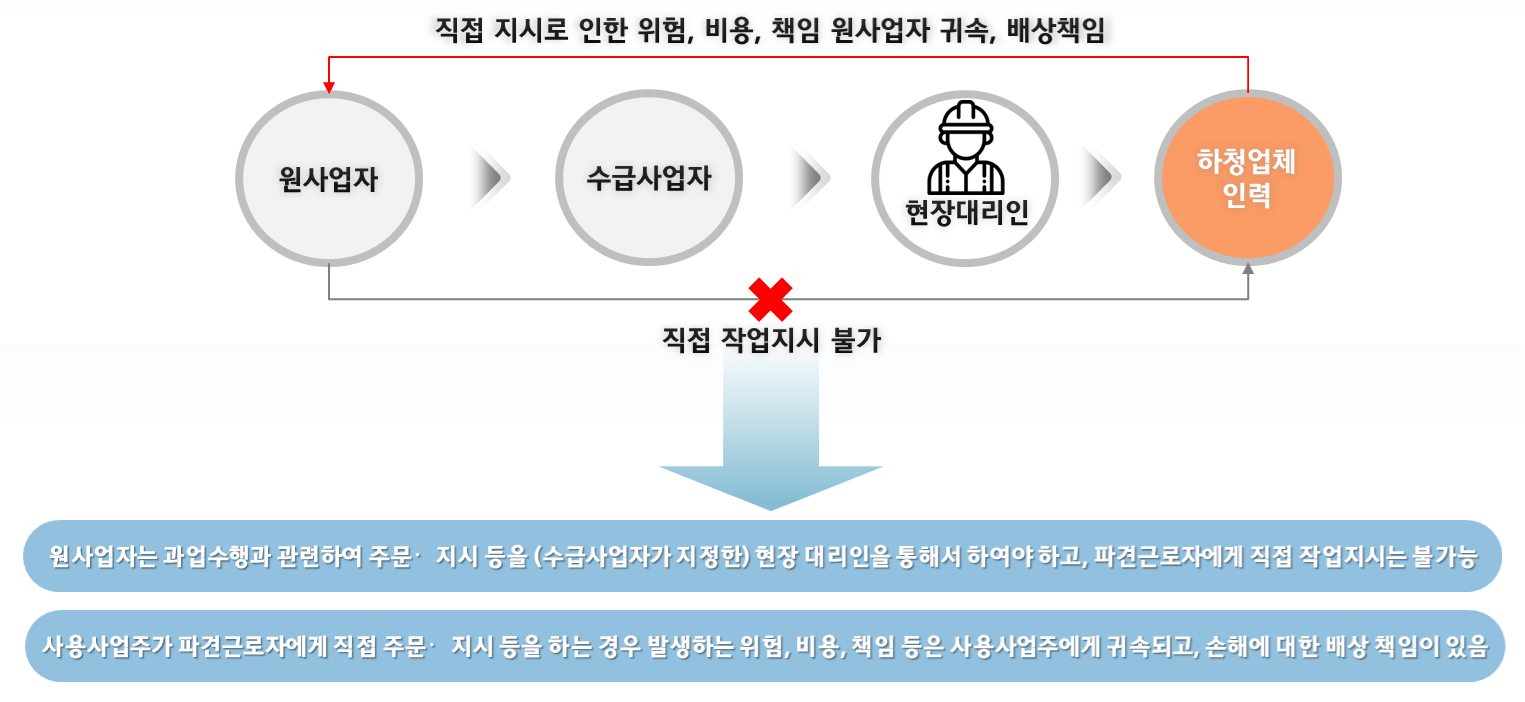
[Figure 1. Subcontracting Guide]
In other words, direct instructions from the primary contractor to partner staff are prohibited by law. As an example, I would like to introduce a case from an IT affiliate’s ITSM system project I managed as PM, where compliance with subcontracting regulations was ensured by integrating our existing eGene ITSM system with a newly built ITSM system for partners.
Workflow Structure Between IT Affiliate and Partner ITSM
The operational structure between the group’s IT affiliate (subcontractor) and the partner ITSM system is as follows:
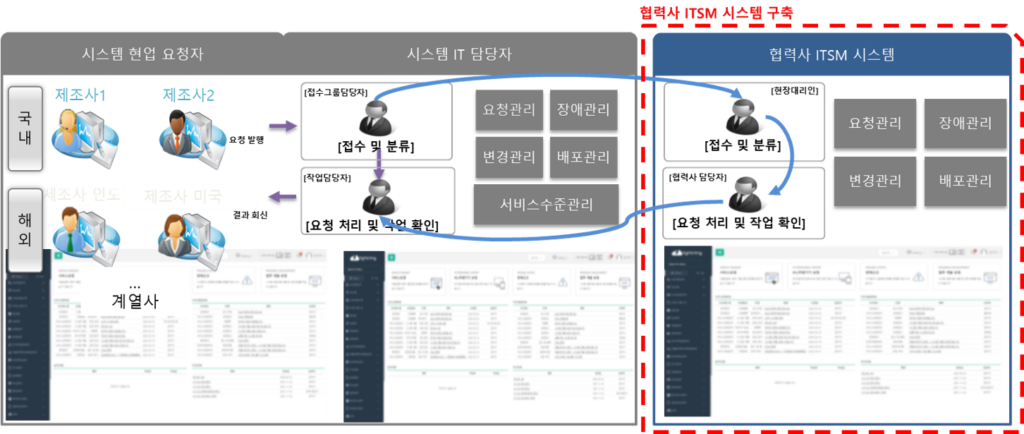
[Figure 2. ITSM ↔ Partner ITSM Structure]
As shown above, when a business user submits a request through the ITSM system, the IT affiliate’s manager receives it and, via our eGene Standard Interface Program, the request is automatically transmitted to the partner ITSM system’s on-site representative.
Key Processes Between ITSM and Partner ITSM
1. Development Change Process
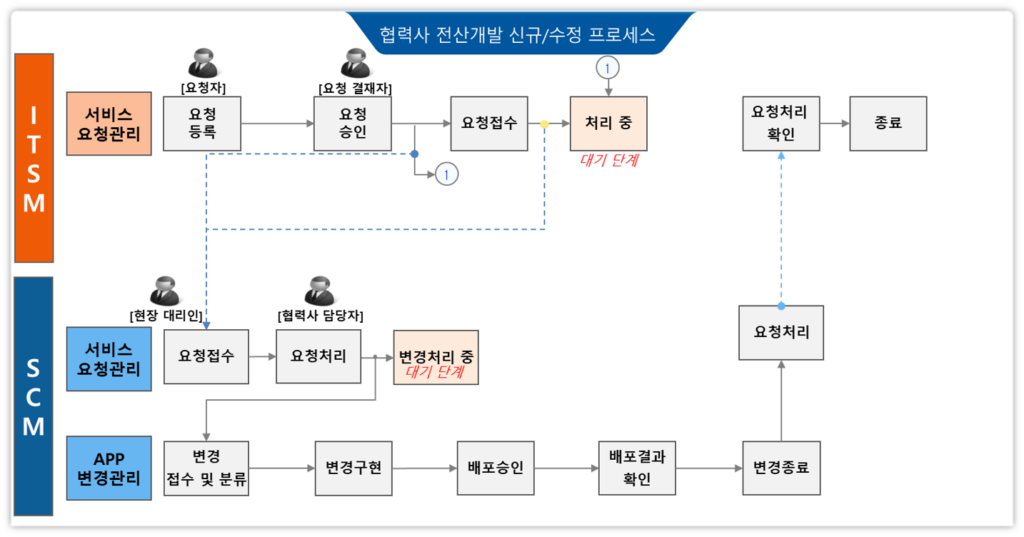
[Figure 3. ITSM ↔ Partner ITSM Development Change Process]
When a user registers a request in ITSM, the same request is automatically created in the partner ITSM system. The on-site representative must accept the request, after which the partner’s handler processes it. Once completed, the result is automatically sent back to ITSM for the requester to review and close.
2. Database Change Process
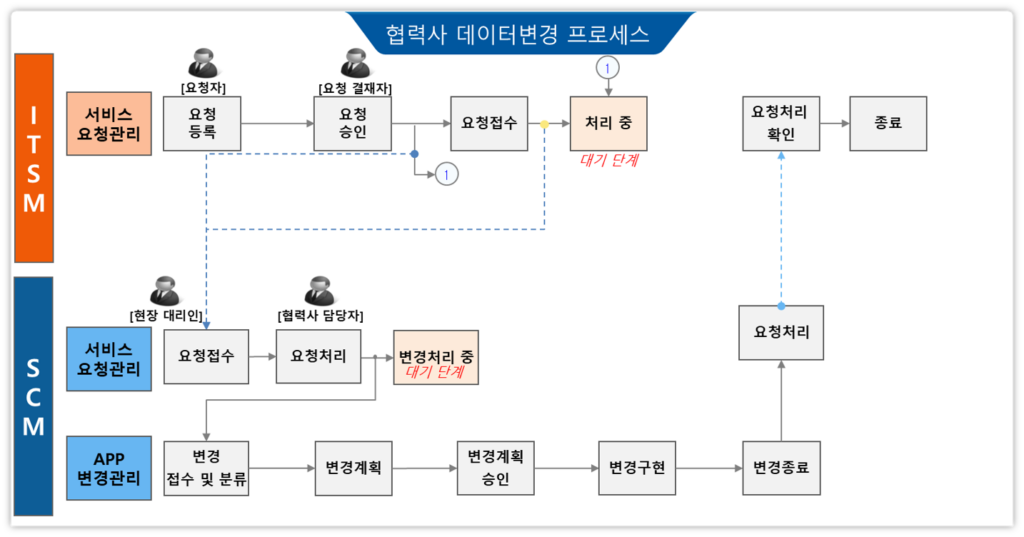
[Figure 4. ITSM ↔ Partner ITSM Database Change Process]