
 Contact

Community
Interface Management to Fill Gaps in the Platform
- Date2023.01.02
Interface Management to Fill Gaps in the Platform
When building applications or related projects using platform products, there are advantages such as rapid productivity and improved operational efficiency. However, there is always the possibility that development requirements will arise during the project. If there are professional developers within the project team, responding to these needs is not a major issue, but if internal development is not possible, it becomes difficult to implement the desired functionality. Moreover, it is not as easy as it seems for citizen developers (business users who can create their own applications with little or no coding knowledge) to learn and implement these features. Additionally, even if you try to bring in professional developers, it is not only costly but also difficult to find suitable talent.
Recently, with a shortage of professional developers and increasing demand for diverse development to enter the market, many platform providers have been making efforts to lower entry barriers by standardizing functions that previously required professional developers. Features that were once exclusive to professional developers have been modularized and standardized for easier access. Products now allow users to assemble and configure functions in the correct execution order, similar to building blocks. Many such products have emerged, enabling experienced business users—not professional developers—to create applications they need for their work.
Although the purpose varies, many products have been introduced to lower the entry barrier so that non-professional developers can easily create functions that previously only experts could build.
For example, Google’s Dataflow is designed to dynamically control process flows required for data collection, analysis, and processing. Through configuration, users can flexibly set methods for data collection and processing.
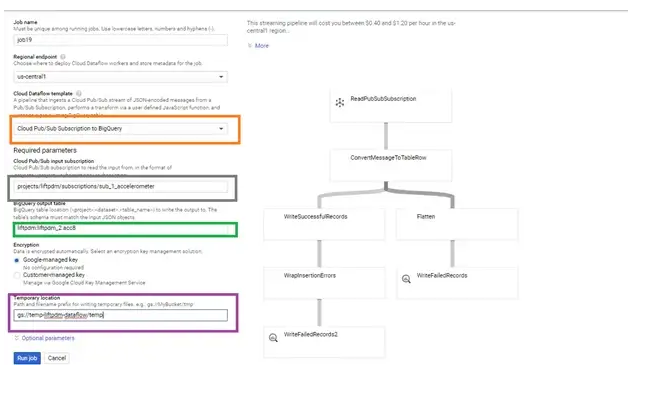
[Figure 1. Google Dataflow]
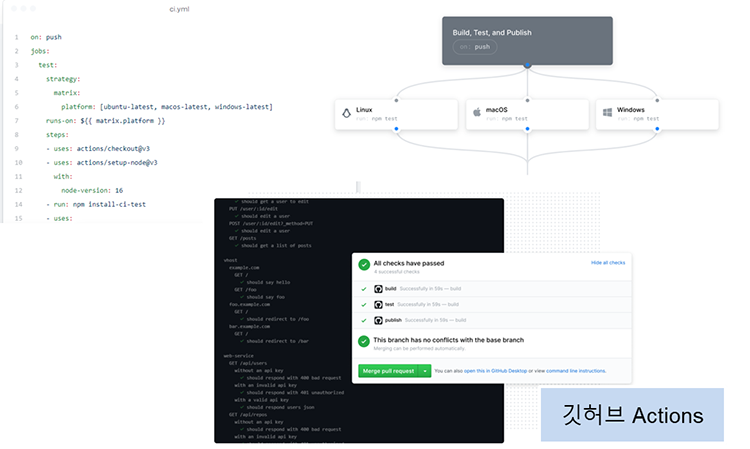
[Figure 2. GitHub Actions]
STEG’s E-GENE platform includes an embedded ETL tool called Data Adapter, which allows easy integration of functions related to data collection, processing, and loading. However, we are currently developing an Interface Management feature that can assess data content, control flow, and execute additional processes.
The purpose of Interface Management is to lower the entry barrier for citizen developers by providing configuration management for connected systems, workflow control for interface processing flows, and modules for each interface function. Using this feature, citizen developers can create the functions they need with minimal difficulty.
The main features of Interface Management are as follows:
System Connection
Interfaces can connect to target systems simply by configuring the required system information. Standard information such as passwords is managed so that when data changes, modifications to system information are applied across all related interfaces. Currently, most integrated systems are pre-registered, but more will be added continuously.
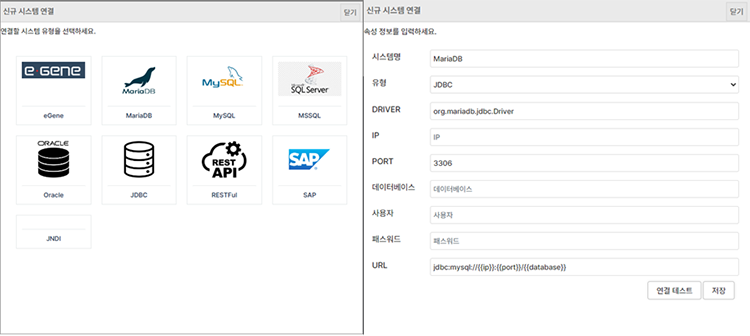
[Figure 3. Interface Management – System Connection]
Workflow
Users can configure settings related to interface modules and select desired modules from those provided by the interface to link them into the workflow execution flow. The workflow visually displays the flow of interface modules.
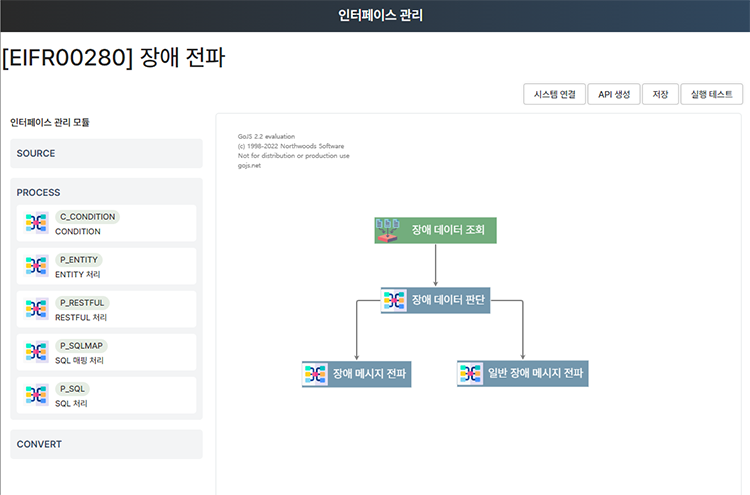
[Figure 4. Interface Management – Workflow]
Function-Specific Modules
Various Source Collection Modules (Source): Handles collection of required reference information and data composition.
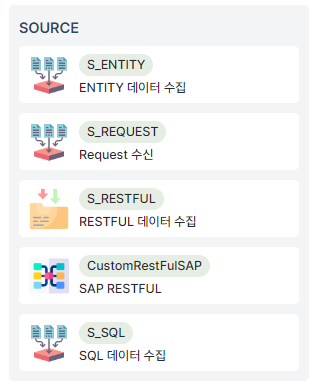
[Figure 5. Interface Management – Source Modules]
- Entity Data Collection: Collects reference information through E-GENE entities
- REQUEST Reception: Collects data using received requests
- RESTFUL: Collects data via RESTful API
- SQL: Collects data using written SQL queries
- CustomRestFulSAP: Collects data via SAP RESTful API
- Various Processing Function Modules (Process): Processes collected data in various ways.
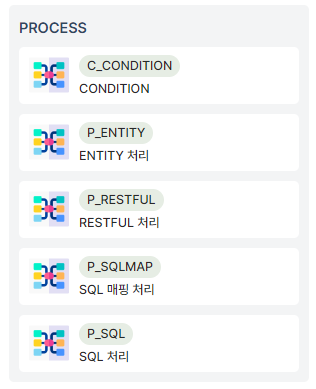
[Figure 6. Interface Management – Processing Modules]
- Condition: Controls flow by evaluating data
- Entity: Updates data using selected entity
- RESTFul: Processes data using RESTful API
- SQL MAPPING: Updates fields of selected entity (existing ETL functionality)
- SQL: Executes SQL processing
Result Processing Function Modules (Convert): Transforms collected data.
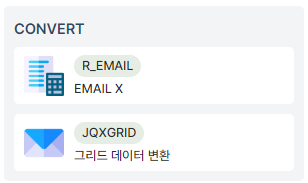
[Figure 7. Interface Management – Processing Modules]
- EMAIL: Sends notifications
- E-GENE Grid: Displays collected data in E-GENE grid
The interface management feature described above can be used in areas where external calls are configurable (e.g., Task – External Call, Approval – External Call, Data Adapter) and can also be invoked from other external systems.
With these features, it is expected that limitations previously experienced with the Data Adapter and areas requiring development will be addressed. Maintenance burdens for interfaces or developed source code are also expected to decrease.
Jung-Woo Park, R&D Team, STEG Inc.