Case study of Building Asset Lifecycle from IT Asset Purchase to Due Diligence Using STEG E-Gene Solutions
IT Asset Management (ITAM) refers to the efficient management of the lifecycle of IT assets within an IT department through process improvements and systematic management of internal procedures, such as purchasing, contracting, acquisition, receipt, and disposal. In this article, I will introduce the case of Kbank, who recently implemented IT asset management (ITAM) system based on E-Gene solution, as part of the "ITSM & ITAM Implementation" project. Kbank's IT asset management process is largely divided into IT purchase contracts, IT asset disposal, IT asset tag issuance, and IT asset due diligence processes.
IT Purchase Contract
The IT purchase contract, which marks the beginning of the asset management process, consists of the purchase, contract, acquisition, and receipt processes, and is proceeded sequentially. The requester from the department selects the asset item and enters an estimated price to submit a purchase request. The budget manager reviews the requested asset and calculates the budget. Following this, the purchase manager completes the deliberation review, IT technology review, and investment deliberation before proceeding the purchase contract. A key feature of the investment review process is the integration with Confluence. The extensive content created in Confluence related to the purchase contract can be easily accessed by stakeholders via URL link. The purchase manager drafts the contract for the requested asset, which is then reviewed by the budget manager. Finally, after the contract is signed, the asset acquisition process begins. The asset management officer then creates detailed information about the asset to be acquired and requests receipt of each asset from the asset operations manager. The asset management officer initiates the asset receipt process, and after the inspector's asset inspection and confirmation, the asset is finally introduced, concluding the IT purchase contract process. After asset introduction, the link between the asset and the configuration is established by manually selecting and linking the assets in Configuration Management. The process flow is summarized below.
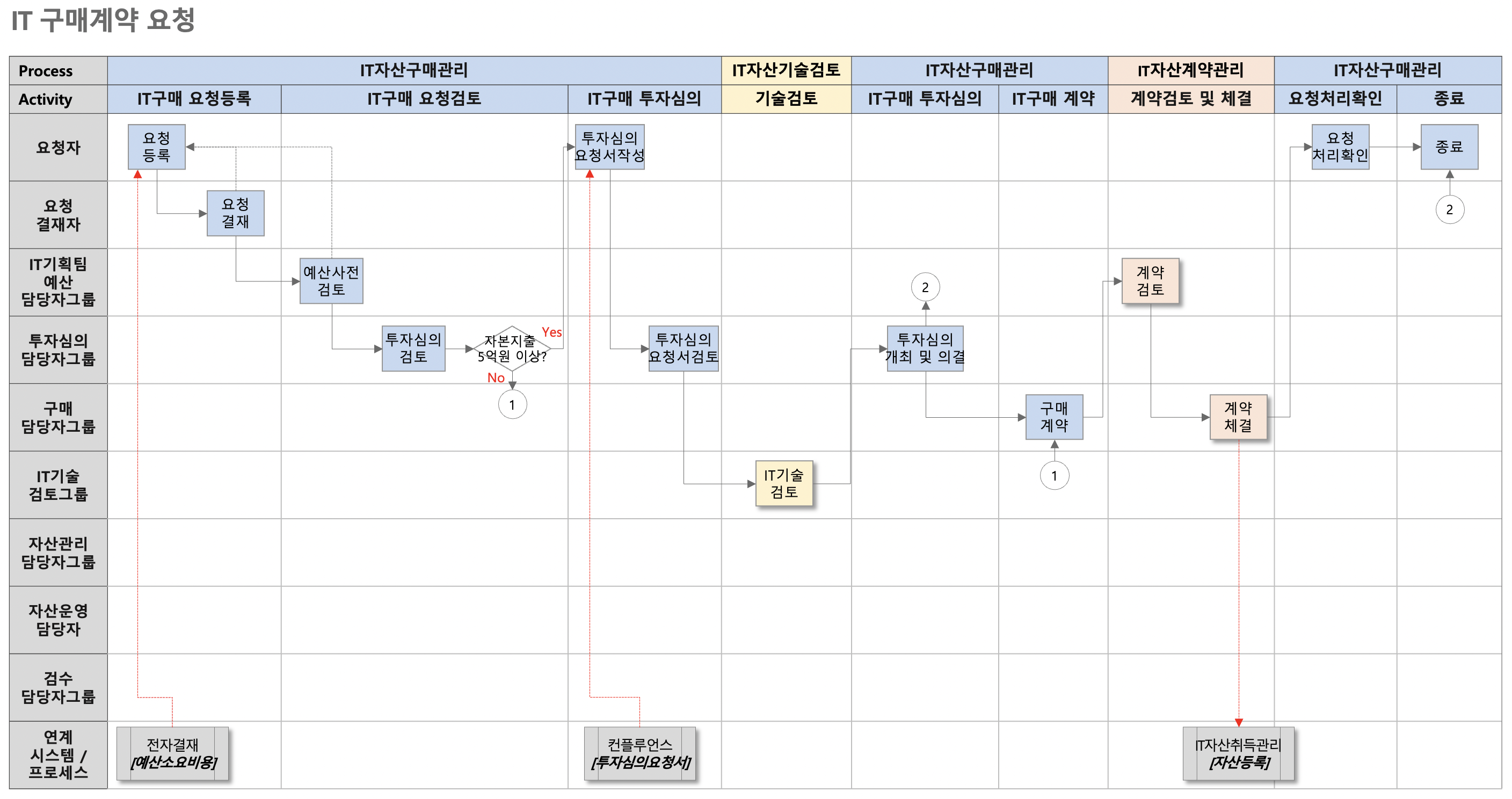
[Figure 1] IT Purchase Contract Request Process Workflow - Asset Purchse / Contract
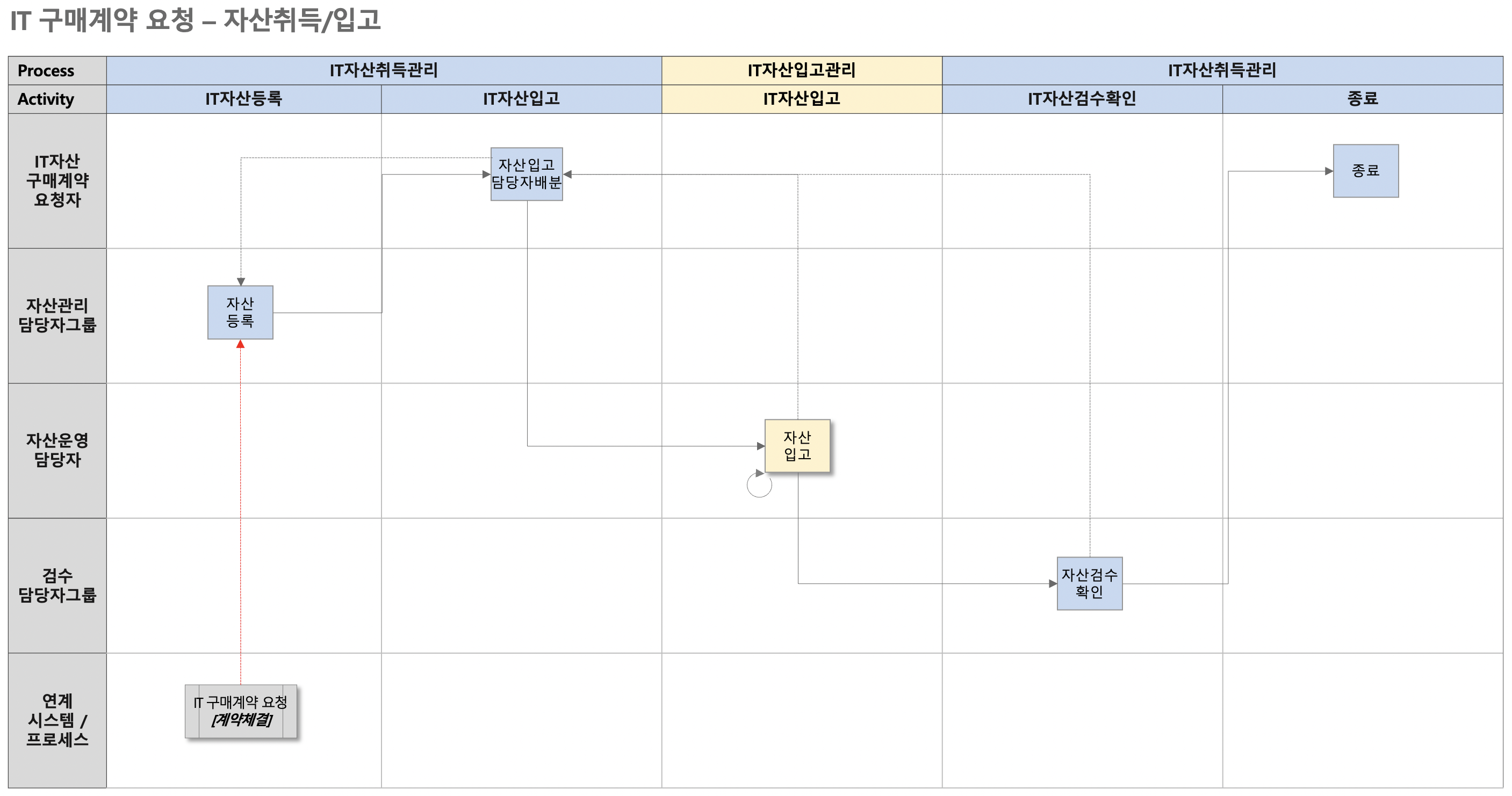
[Figure 2] IT Purchase Contract Request Process Workflow - Asset Acquisition / Receipt
IT Asset Disposal
IT asset disposal occurs when existing assets reach the end of their expiration date or are no longer needed, necessitating their disposal (sale / disposal). The process consists of a disposal request, contract, and item removal, and is proceeded sequentially. When a requester selects assets to be disposed and submits disposal request, the asset manager creates disposal request form. If the sale or disposal is done through a vendor, a separate contract is also processed. The process is then proceeds through accounting agreement, financial agreement, review, and approval. After such processes, item removal confirmation is done. Upon confirmation of item removal, the request is transferred to the ITSM Service Request's equipment removal request process. The asset manager then verifies the disposal results, completing the IT asset disposal process.
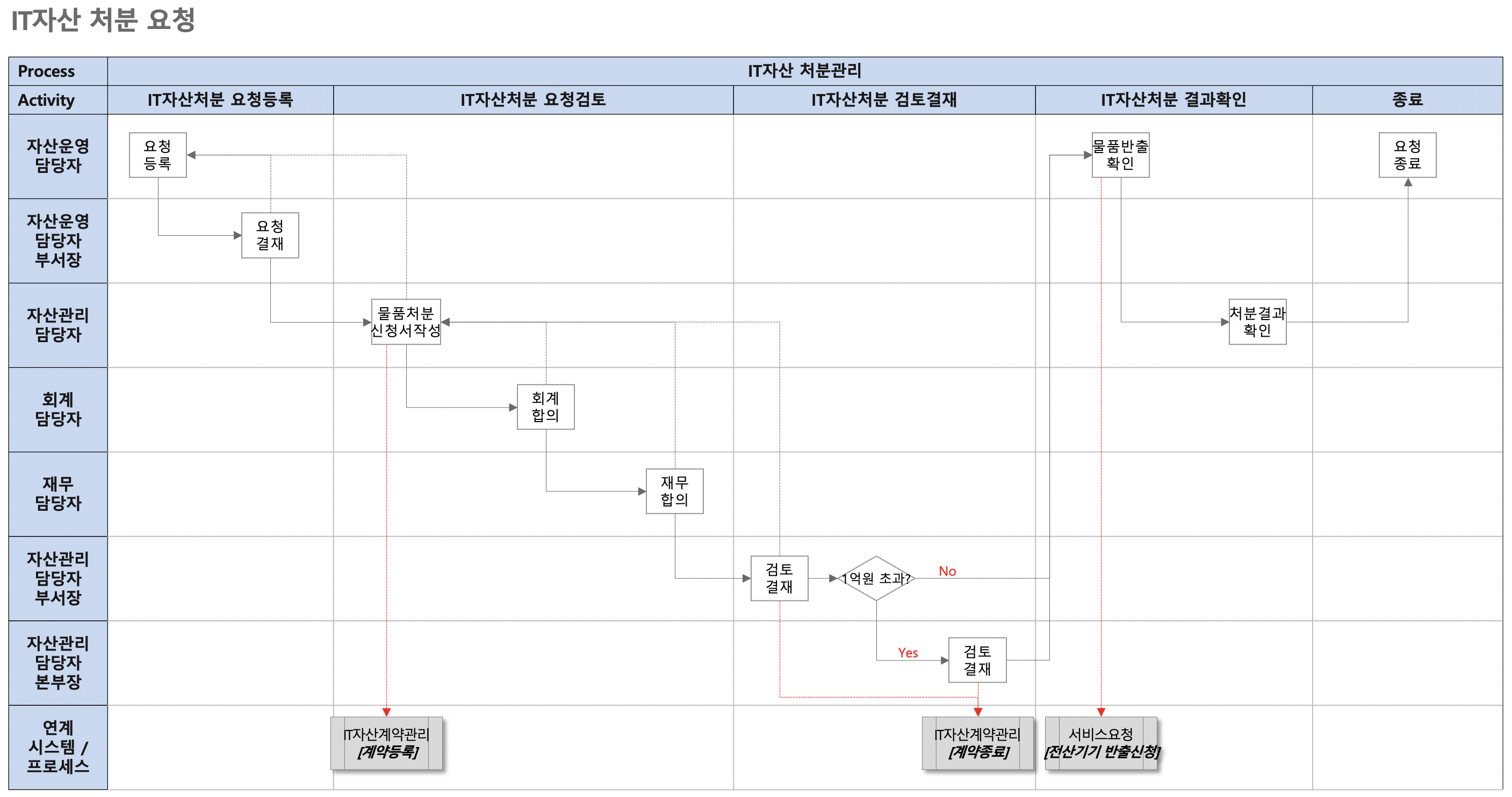
[Figure 3] IT Asset Disposal Request Process Workflow
IT Asset Tag Issuance
IT Asset Tag Issuance is a process of issuing RFID (Radio-Frequency Identification) tags. Since physically inspecting each asset is time-consuming, this process involves attaching RFID tags to assets, using an RFID PDA capable of recognizing the tags to conduct the inventory. This reduces the time required and facilitates efficient inventory management. The requester selects the assets requiring tagging and submits the request. The asset manager then reviews the request and issues the tag. The tag issuer then generates an RFID tag with information about the asset, completing the IT asset tagging process.
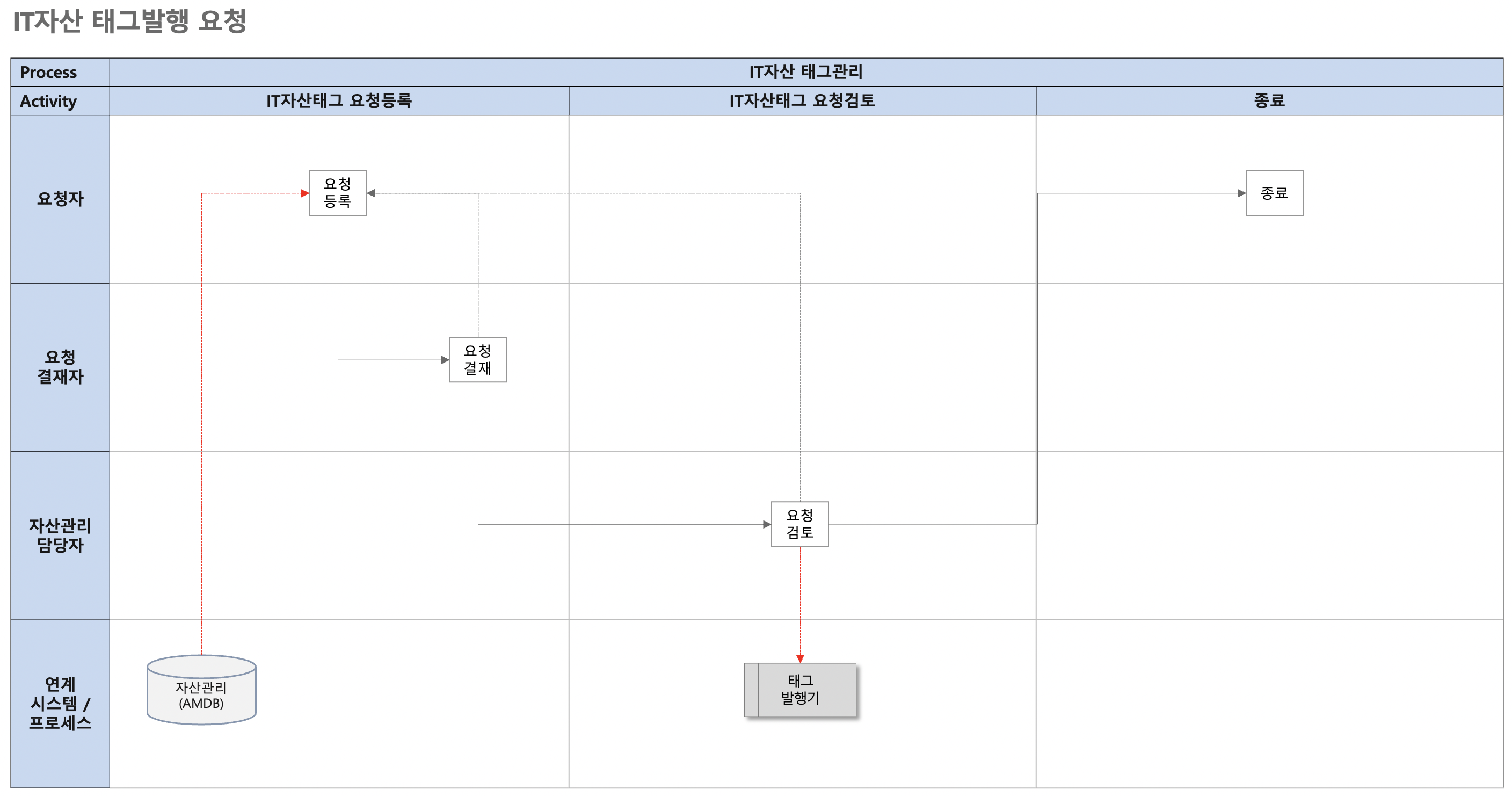
[Figure 4] IT Asset Tag Issuance Request Process Workflow
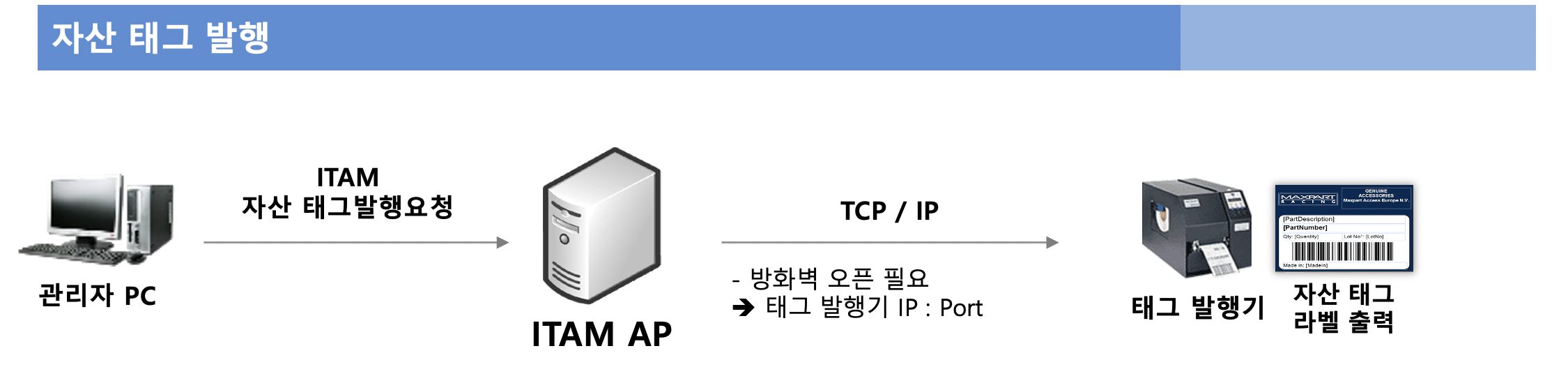
[Figure 5] IT Asset Tag Issuance RFID Integration
IT Asset Due Diligence
IT Asset Due Diligence is a process that involves physically inspecting assets in use to determine their condition, including location, quantity, and damage/loss status. The objective is to take appropriate follow-up measures and obtain accounting certification. The asset manager selects assets to be inspected, develops an inventory plan, conducts the inventory using an RFID PDA, and uploads the inventory results registered on the RFID PDA to the asset due diligence screen, completing the IT Asset Due Diligence process.
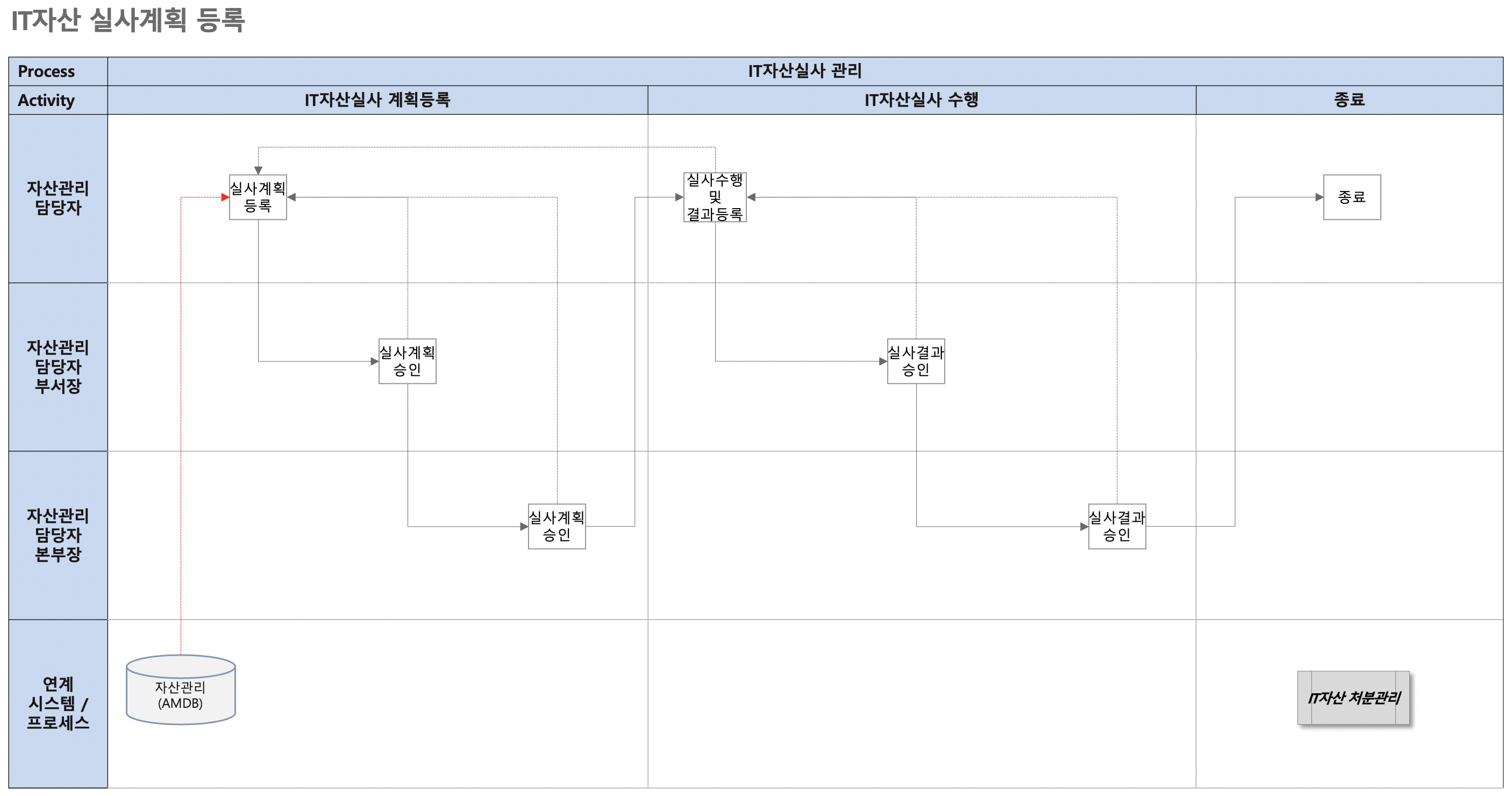
[Figure 6] IT Asset Due Diligence Plan Registration Process Workflow
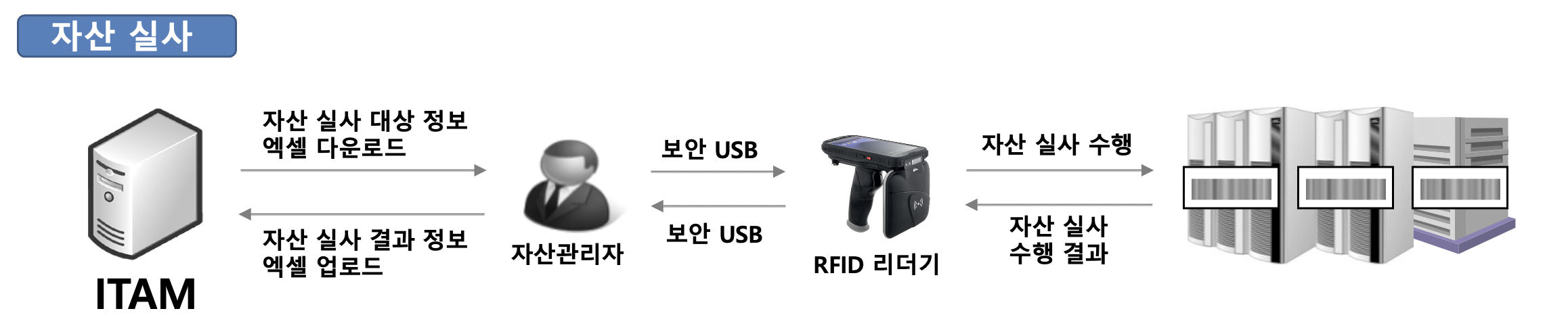
[Figure 7] IT Asset Due Diligence RFID Integration
This ITAM implementation case study demonstrated the flexibility of the asset lifecycle, from purchase to contrat and disposal, using our solution. We also implemented a process that could handle the actualy asset due diligence. We implemented due diligence functionality through RFID integration, enabling us to better check and maintain asset consistency, providing a new and beneficial experience.
Jeon Tae-min, PS1 Team, STEG Inc.

 Contact
