Thoughts on Implementation of Kbank ITSM & ITAM Systems
The IT service environment is changing for various reasons, including the strengthening of electronic financial supervision regulations by the Financial Supervisory Service and the mandatory implementation of internal accounting management systems under the External Audit Act. As a result, an increasing number of companies are seeking to restructure and improve their IT service management systems. In line with this shift, STEG's Egene ITSM solution based on ITIL, which is a global IT service management standard, offers a highly effective solution for restructuring IT service management systems and solving internal accounting management requirements. This article presents a case study of a financial project, The Kbank ITSM & ITAM implementation project. The project aimed to improve the quality of IT service operations and strengthen the internal control system. The project's results largely met these initial goals. The key business processes of Kbank's ITSM & ITAM system are as follows.
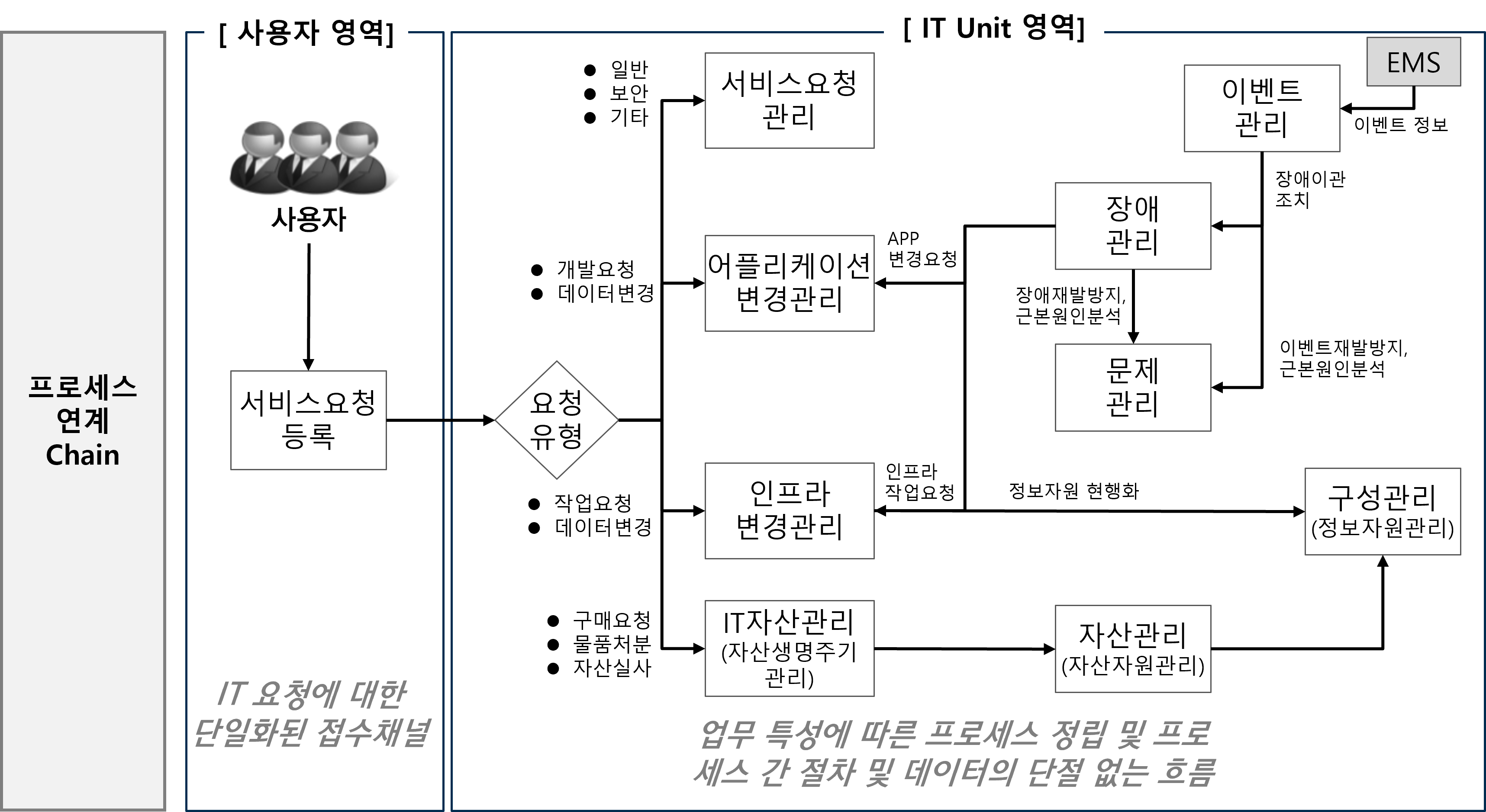
[Figure 1] IT Service Process Standardization
A key feature of the new business process is defining of service requests as SPOC channels, enabling consistent execution of various IT tasks. All changes and asset operations can only be registered and processed through service requests. Furthermore, the application change management process has been reorganized and improved to comply with external audit regulations. Integration with configuration management solution (ChangeFlow) has also enabled more precise control of development changes and ensured stability.
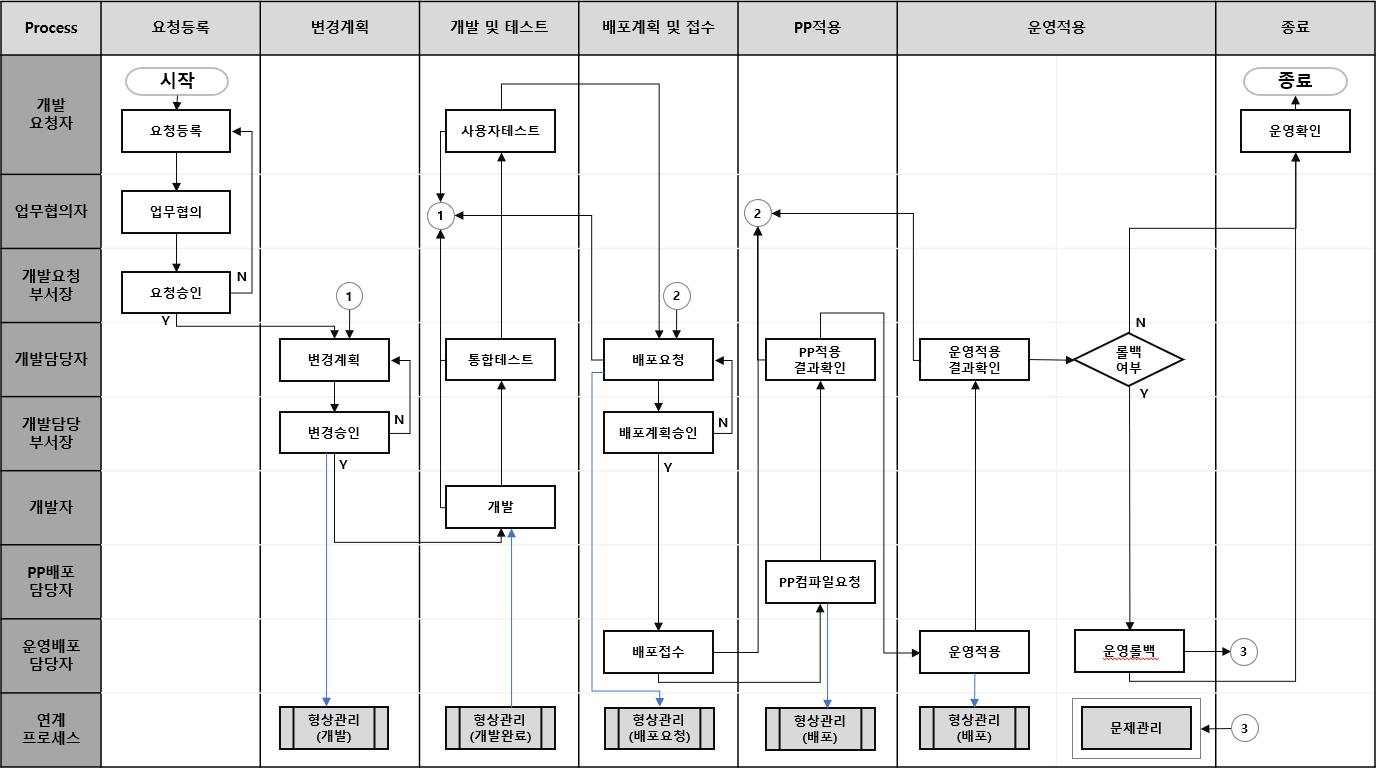
[Figure 2] Application Change & Configuration Management Integration (ChangeFlow) Process
General change request process generates multiple change requests. Based on the requests, the requester selects the detailed task, relevant business system, and designate team members to create the change ticket. Designated team members then carrie out the steps from planning and development to operational implementation. The issue transfer is determined based on whether a rollback is required. The process concludes with the requester's confirmation. Transferred issue tickets undergo an IT audit to reason the rollback. Responsibilities are assigned to specific roles within the work process, and many steps undertaken by designated team members require approval from the department head before processing. The history map function of E-GENE ITSM visualize ticket flow and approval history, along with ticket information related to it. In actual request process, transfers to other processes happened frequenstly, and the large number of related tickets often caused challenges. I will introduce several features developed to solve these problems that have been highly satisfactory to users.
IT Development Reqeust Management Dashboard
This dashboard allows you to view information of ongoing IT development request tickets. The dashboard is divided into two sections: [Department] in which tickets processed by the user's department are displayed, and [All] in which all ongoing tickets at a given step are displayed. Quick and easy views of the number of tickets being processed in a specific stage or the number of tickets being processed by a department are available through dashboard.
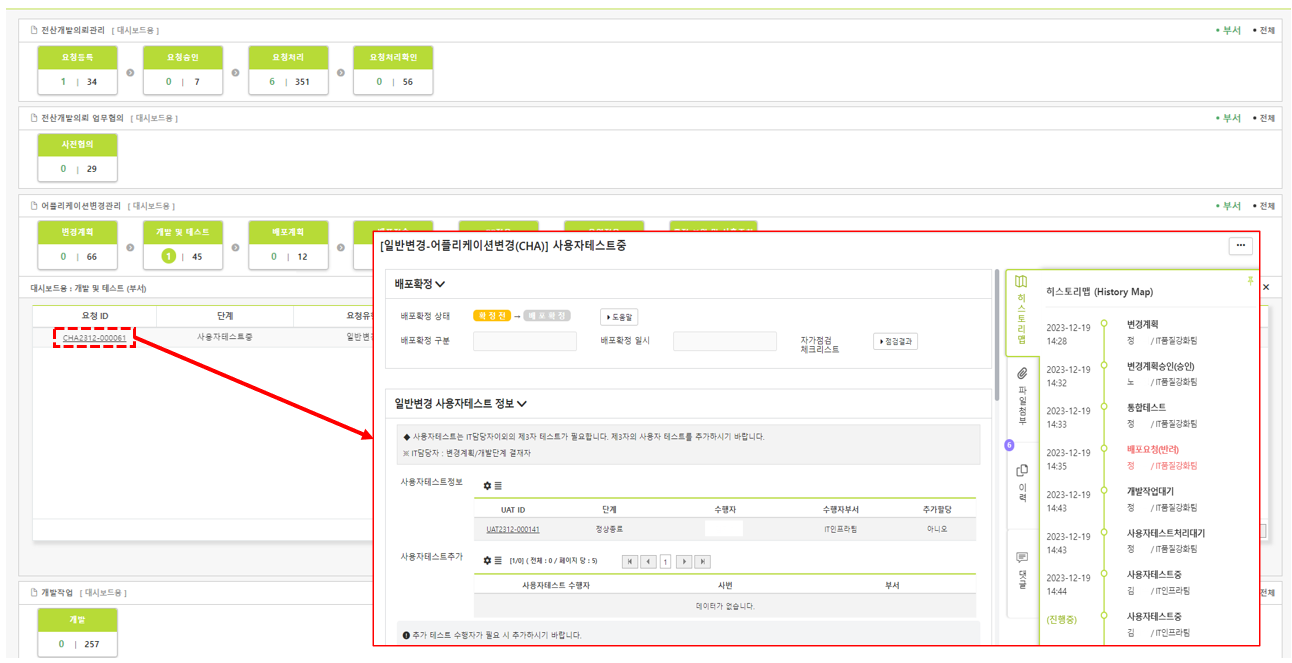
[Figure 3] IT Development Request Management Dashboard Menu Screen
IT Development Request Relations History
Through IT Development Request Relations History menu, you can view and extract information of all registered related tickets in a tree structure.
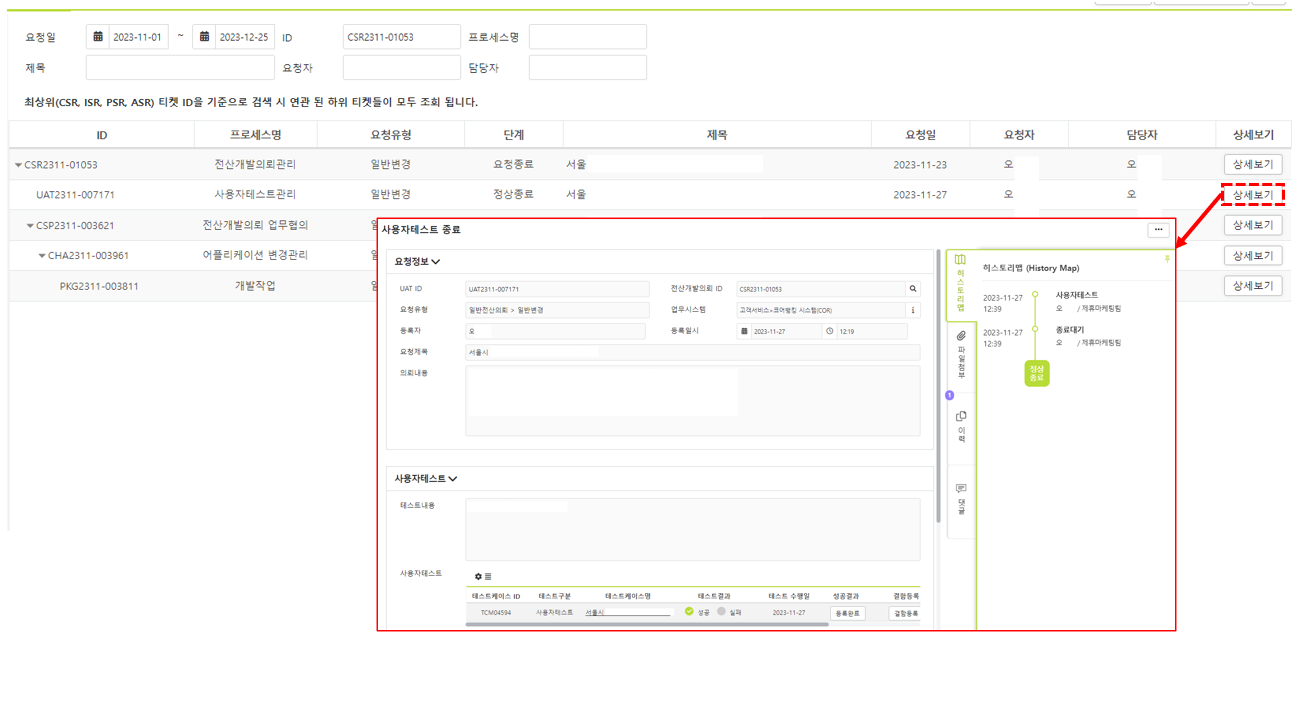 [Figure 4] IT Development Request Relations History Menu Screen
IT Service Reqeust Collection Workflow
Through IT Service Reqeust Collection Workflow menu, you can view the workflow and contact information of each request type before registering a service request.
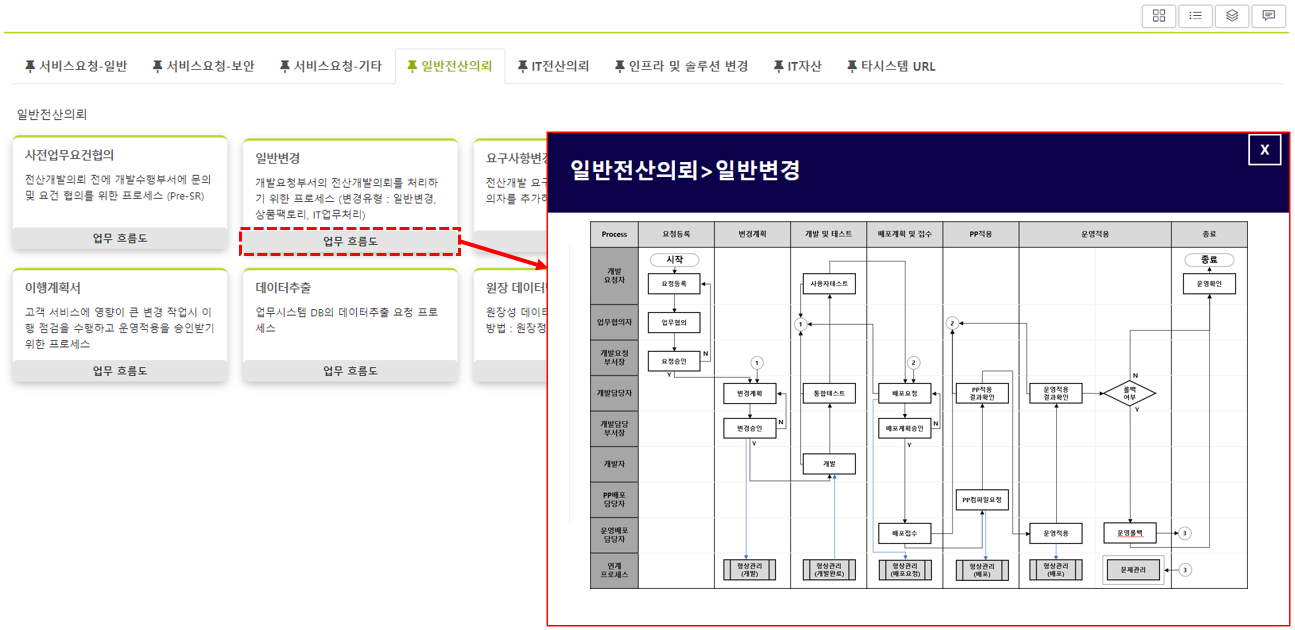
[Figure 5] IT Service Reqeust Collection Workflow Screen
Until now, I have summarized some of the features that have garnered high user satisfaction. Numerous other features and processes were also built and provided as well, securing a flexible response foundation for internal accounting management system. I beileve that these features would enhance IT service efficiency. Throughout the project, I have observed that IT service model that can be built via STEG's E-GENE solution is continuously expanding with diversity. I am very excited to see how far the services built and provided by E-GENE solution would evolve in 2024, and I'd like to conclude this contribution.
Kim Yu-Hyun, PS2 Team, STEG Inc. 
 Contact
